Why Selecting the Correct General Contractor Is Vital for Your Project
Choosing the right construction professional is a pivotal decision that can significantly impact a project's success. A suitable contractor guarantees effective management and compliance to financial limits. Their capacity to handle obstacles and preserve transparent communication is essential. However, many construction owners overlook critical factors in this selection procedure. Understanding these components can contribute to improved outcomes and greater contentment. What should one evaluate when determining this significant decision?
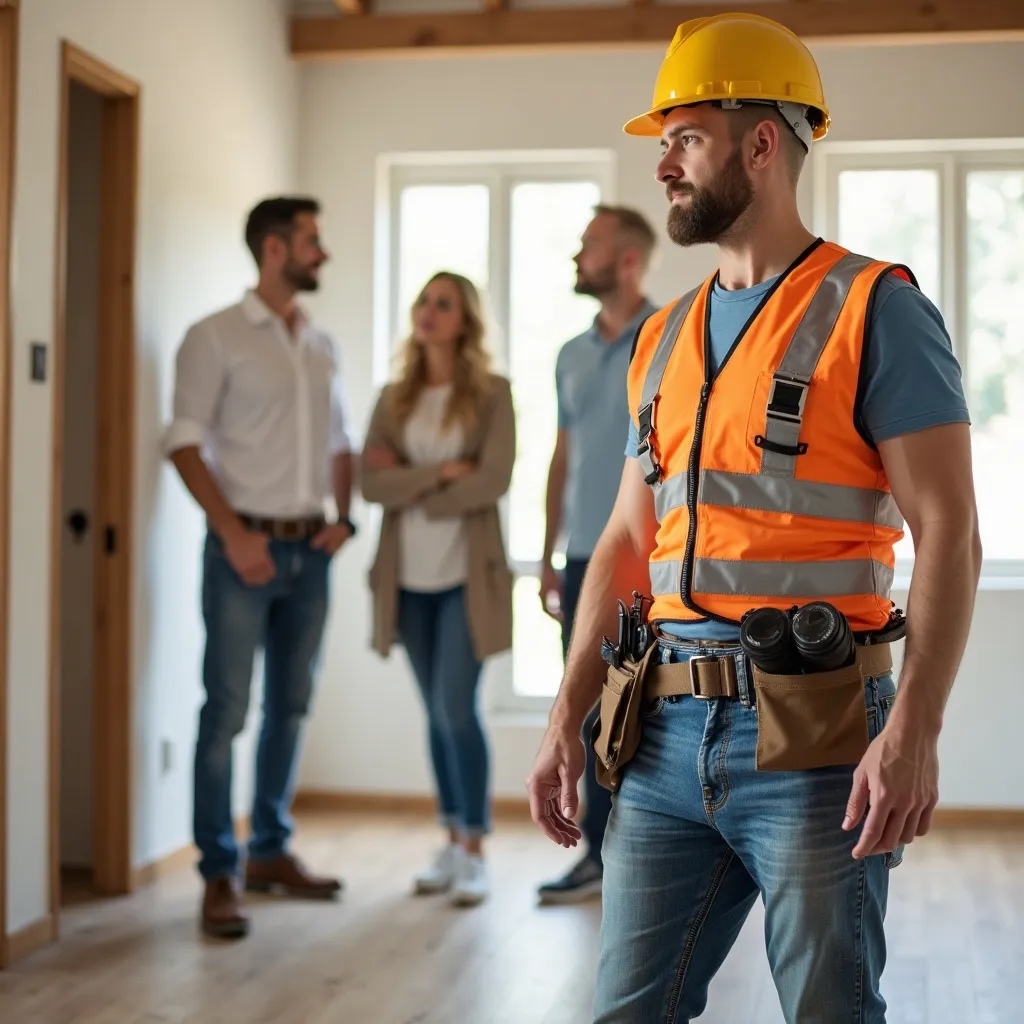
Routine Struggles in Picking a General Contractor
When selecting a general contractor, prospective customers often face several common difficulties that can hinder the decision-making process. One significant hurdle is the overwhelming number of options available, which can result in confusion and indecision. Clients may find it hard to differentiate between contractors based on credentials, background, and cost, rendering it challenging to identify who will best satisfy their project needs.
One issue is the insufficient openness in contractor estimates, where hidden costs may appear later, changing the project budget. In addition, clients may face challenges surrounding dialogue; some contractors may fail to maintain client awareness during the process, generating annoyance. Lastly, clients often deal with verifying a contractor's references and past work, which can generate uncertainty regarding the quality of service expected. These challenges demand careful consideration and research to assure the right choice is determined.
Why a Dependable General Contractor Matters
A reliable general contractor serves in an vital role in ensuring project management efficiency and maintaining quality assurance standards. Their knowledge helps streamline processes, reducing expenses and delays. Additionally, a dependable contractor upholds quality standards, resulting in quality workmanship and customer contentment.
Optimize Project Supervision Results
Efficient project management is contingent upon the dependability of a general contractor. A reliable contractor assures that deadlines are met, resources are properly allocated, and communication flows smoothly among all stakeholders. Their capability to manage subcontractors, suppliers, and laborers directly impacts the advancement and final success of the project. A trustworthy contractor expects challenges, implements solutions swiftly, and remains focused on project aims This efficiency encourages collaboration, allowing adjustments and improvements as needed. Ultimately, the general contractor's dependability enhances both the operational facets of the project and confidence among clients and team members, guaranteeing alignment towards a favorable final outcome.
Quality Assurance Protocols
Reliable contractors fulfill a significant role in enforcing quality assurance standards throughout the course of a project. They guarantee that all work meets established guidelines and industry norms, which is for the longevity and safety of the structure. A competent contractor maintains careful oversight of materials and workmanship, conducting regular inspections to detect and correct problems quickly. This proactive strategy mitigates risks associated with inferior construction, ultimately protecting the investment. Furthermore, a reliable contractor supports communication among all stakeholders, ensuring expectations are clear and met. By emphasizing quality assurance, a skilled general contractor not only improves the finished product but also cultivates trust with clients, establishing the basis for successful project outcomes.
Examining a Professional's Experience and Credibility
When picking a general contractor, understanding their expertise and reputation is important, as these aspects significantly impact project results. A contractor's background typically reflects their competence to handle multiple project types, complexities, and difficulties. Reviewing their work samples provides perspective into previous work, showcasing quality workmanship and careful attention to specifics.
Furthermore, track record plays a vital role in establishing trust. Prospective clients should look for web-based feedback, testimonials, and references to assess satisfaction levels from previous clients. Communicating with past customers can uncover the contractor's reliability, communication skills, and adherence to timelines and budgets.
Furthermore, sector associations and accreditations can bolster a contractor's standing, suggesting a resolve to quality and responsible practices. By thoroughly evaluating both track record and reputation, clients can make informed decisions, at last setting the stage for a successful construction project.
Key Attributes of a Trustworthy Contractor
A dependable contractor consistently exhibits honesty, transparency, and excellent interpersonal abilities. These essential qualities create the basis of a successful working relationship. Integrity ensures the contractor adheres to moral standards, offering honest assessments and realistic timelines. Openness involves fully disclosing project details, encompassing costs and potential challenges, fostering trust between the contractor and the customer.
Strong interpersonal abilities facilitate the contractor to convey ideas effectively, understand client needs, and address any issues that occur during the project. Additionally, a reliable contractor showcases flexibility, adjusting to changes and unexpected circumstances with composure and flexibility. Close attention to detail is a further essential trait; it reflects a commitment to excellence and accuracy in every facet of the work. All things considered, these traits not only improve project outcomes but also provide a positive interaction for clients, making the selection of a trustworthy contractor all the more vital.
Important Questions for Finding Your General Contractor?
How might someone ensure they select the appropriate general contractor for their project? By asking a series of targeted questions, potential clients can more effectively evaluate candidates. To start, asking about the contractor's experience with similar projects provides insight into their expertise. It's also vital to ask for references; speaking with previous clients can uncover the contractor's dependability and standard of work.
Following this, assessing licensing and insurance confirms that the contractor adheres to legal standards and safeguards the client from possible liabilities. Clients should further inquire regarding timelines and project management plans to gauge how the contractor intends to oversee the project effectively.
Budget talks are vital; requesting a thorough estimate prevents surprise costs later. Finally, grasping the contractor's communication style preferences can establish the foundation for a successful partnership. By tackling these key questions, clients can make informed decisions in choosing their general contractor.
Why Dialogue Is Important With Your Contractor
Effective discourse with a contractor is necessary for undertaking accomplishment. Defining unambiguous parameters and delivering immediate updates can avert conflicts that often lead to costly delays. Additionally, fostering an open dialogue nurtures confidence, ensuring a smoother collaboration throughout the construction undertaking.
Transparent Objectives Foster Success
Creating clear expectations is essential for a successful partnership with a general contractor. Strong communication creates the foundation for understanding the objectives, schedules, and budget limitations of the project. When both parties articulate their needs and concerns, it lowers the risk of misunderstandings that could derail progress. A contractor who understands the specific requirements can allocate resources consult now efficiently and address potential challenges in advance. Moreover, clarity in expectations fosters accountability, guaranteeing that the contractor keeps promises and that the homeowner remains involved throughout the process. By emphasizing open dialogue from the beginning, clients can enhance cooperation and satisfaction, ultimately leading to a more streamlined project completion. Clear expectations not only optimize workflows but also build trust between the homeowner and the contractor.
Prompt Updates Prevent Confusion
Setting clear expectations builds the foundation for successful partnership, yet frequent communication is critically necessary. Regular reports from a project manager can prevent misunderstandings that could happen during a project. If contractors regularly deliver progress information, clients keep informed of schedules, budget revisions, and conceivable impediments. Such proactive communication functions to align each party's expectations and minimizes the chance of disputes later. Moreover, when challenges surface, immediate communication permits speedier resolutions, maintaining the work on track. Through developing a atmosphere of transparent communication, builders illustrate their dedication to the work's success, ultimately producing a smoother operation and greater client satisfaction. As a result, prompt communications serve as a vital element in preserving clarity and confidence during the construction process.
Open Conversation Builds Trust
As a project progresses, maintaining an open dialogue with the main contractor becomes essential for fostering confidence and collaboration. Effective communication ensures that all stakeholders have a solid grasp of requirements, schedules, and potential challenges. When builders and clients participate in frequent conversations, it allows for the recognition of issues before they worsen, minimizing interruptions. This transparency not only creates assurance but also enhances the overall construction experience. Furthermore, an direct communication channel promotes feedback, allowing the contractor to make modifications that align with the client's goals. Ultimately, strong communication establishes a foundation of reciprocal respect, which is essential for the timely completion of any construction undertaking. Trust cultivated through dialogue leads to better outcomes for everyone participating.
Frequently Asked Questions
How can I verify if a Contractor possesses a certification?
To ascertain if a contractor is registered, one should review local official boards and digital resources, authenticate their license number, and ensure it's active. Additionally, checking web-based testimonials can deliver perspective on their reputation and consistency.
What Policies Does My Contractor Need?
A professional needs to secure all-encompassing liability coverage, workers' compensation, and, if applicable, professional liability insurance. These mitigate probable injury, job injuries, and errors in workmanship, ensuring financial protection for both the professional and the purchaser.
What Steps Should I Take to Assess a Professional's Client Feedback?
To assess a contractor's references, one should request a inventory of former clients, contact them personally, and learn about their impressions. In addition, reviewing online reviews and ratings can furnish valuable insights into the contractor's credibility.
What Ought I Execute if Issues Surface During the Project?
If issues develop during the project, one should record the issues, communicate directly with the contractor, and find a solution. If needed, involving a third party or seeking legal advice may also be appropriate.
Should You Look Out for Concerning Indicators Throughout the Hiring Process?
Red flags during the recruitment phase include vague estimates, lack of references, weak communication, partial licenses, and negative online reviews. These clues suggest conceivable difficulties that might influence the project timeline and quality.